



WELCOME TO AN ENTERTAINMENT SITE FOR SCOTTISH COUNTRY DANCERS!
Enjoy this curated selection of theme-related dances for celebrations and holidays, or find a dance associated with a special calendar day, or EVEN your own birthday!

Stained Glass Window at Olney Church
Mar 21

Amazing Grace Day
Amazing Grace
Other Scottish Country Dances for this Day


Today's Musings, History & Folklore
"🎶 Amazing grace! How sweet the sound
That saved a wretch like me.
I once was lost, but now am found;
Was blind, but now I see."
~ Amazing Grace, John Newton, 1748
Today marks the day in the life of John Newton that later inspired him to write the hymn, "Amazing Grace."
This graceful 4 couple 32 bar strathspey was devised by Betty MacKenzie for Rene Johnstone, the teacher at the Malaga Class on her 85th birthday. Well known in the Dundee area, Rene Johnstone spent 30 years in Spain and then returned to Broughty Ferry.
With graceful figures to keep all four couples active, this dance begins with all couples leading down, casting, followed by petronellas, rights, and lefts, set and links, and then ending with all four couples turning both hands. Graceful, indeed!
This lovely dance takes its name from the most well known and widely sung Christian hymns, published in 1779 by English Anglican clergyman, abolitionist, and poet John Newton. Its origin story is a fascinating one of faith, transformation, and redemption.
Although Newton grew up without strong religious conviction, his life followed a turbulent and often difficult path. As a young man, he was pressed into service in the Royal Navy, and after leaving, he became involved in the Atlantic slave trade.
A defining moment came on March 21, 1748. While aboard the slave ship Greyhound in the North Atlantic, Newton encountered a violent storm off the coast of County Donegal, Ireland. The ship was battered so severely that he feared for his life. In that moment of terror and desperation, he cried out to God for mercy—an experience he later described as the beginning of his spiritual awakening.
Although this event marked a turning point for Newton, his transformation was gradual. He continued in the slave trade until about 1754 or 1755, when he left seafaring altogether. He then devoted himself to the study of Christian theology and, over time, became an outspoken abolitionist.
Ordained in the Church of England in 1764, Newton was appointed curate of Olney, Buckinghamshire. There, he collaborated with poet William Cowper in writing hymns for their parish. “Amazing Grace” was composed to accompany a sermon on New Year’s Day in 1773. 💙 💜 💙 ✝️ 🌈 ⛪
Amazing Grace
The tune most commonly associated with Amazing Grace, known as “New Britain,” has become one of the most recognizable melodies in the world. Its simple, pentatonic structure makes it easy to learn, adapt, and sing across cultures, which helps explain why it appears in so many different musical traditions. Though the lyrics were written in 18th-century England, the tune itself likely developed later in early American folk and hymn traditions, giving it a transatlantic identity from the start.
In the United States, Amazing Grace became deeply rooted in African American spiritual and gospel traditions, where it has been performed with powerful emotional expression, improvisation, and call-and-response elements. From small rural churches to large choirs and iconic performances, the tune has carried themes of suffering, redemption, and hope that resonate far beyond its original context.
The melody has also become strongly associated with ceremonial and memorial settings worldwide. It is frequently played on bagpipes at funerals, especially in Scotland, Ireland, and among military and police units in countries like the United States and Canada. Its haunting, open intervals suit the expressive qualities of the pipes, making it a staple at moments of remembrance and honor.
Beyond religious and ceremonial use, Amazing Grace has crossed into popular music, film, and global culture. It has been recorded by artists in genres ranging from folk and country to classical and rock, often reinterpreted in different languages and styles. Today, the tune functions almost as a universal musical language—recognized instantly and capable of conveying solemnity, comfort, and transcendence wherever it is heard.
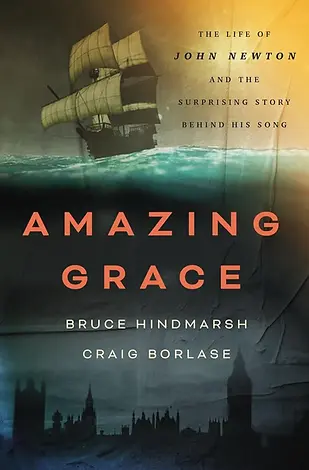
For more on the author of this hymn, click the recent book that follows his journey of conversion and grace.
Click the dance cribs or description below to link to a printable version of the dance!
